



What are Japanese candles?
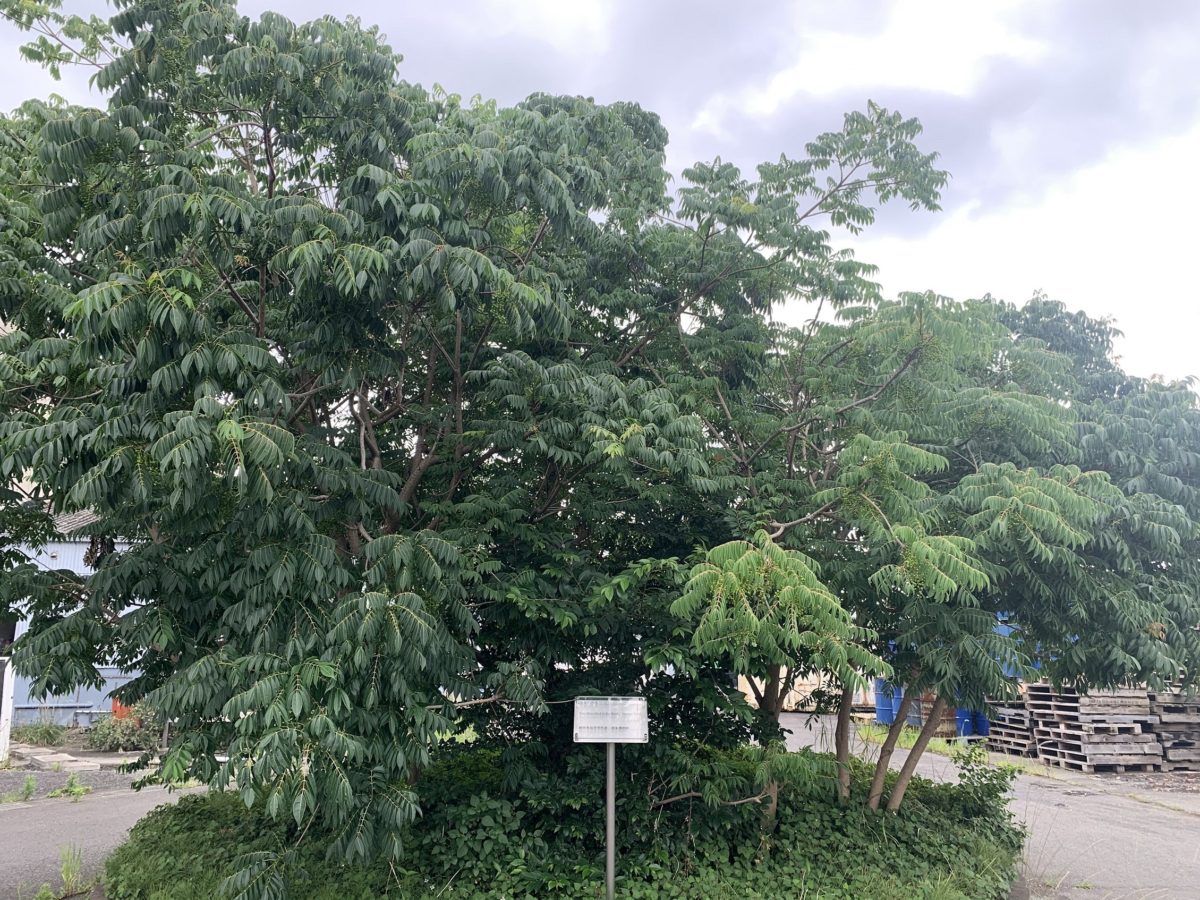
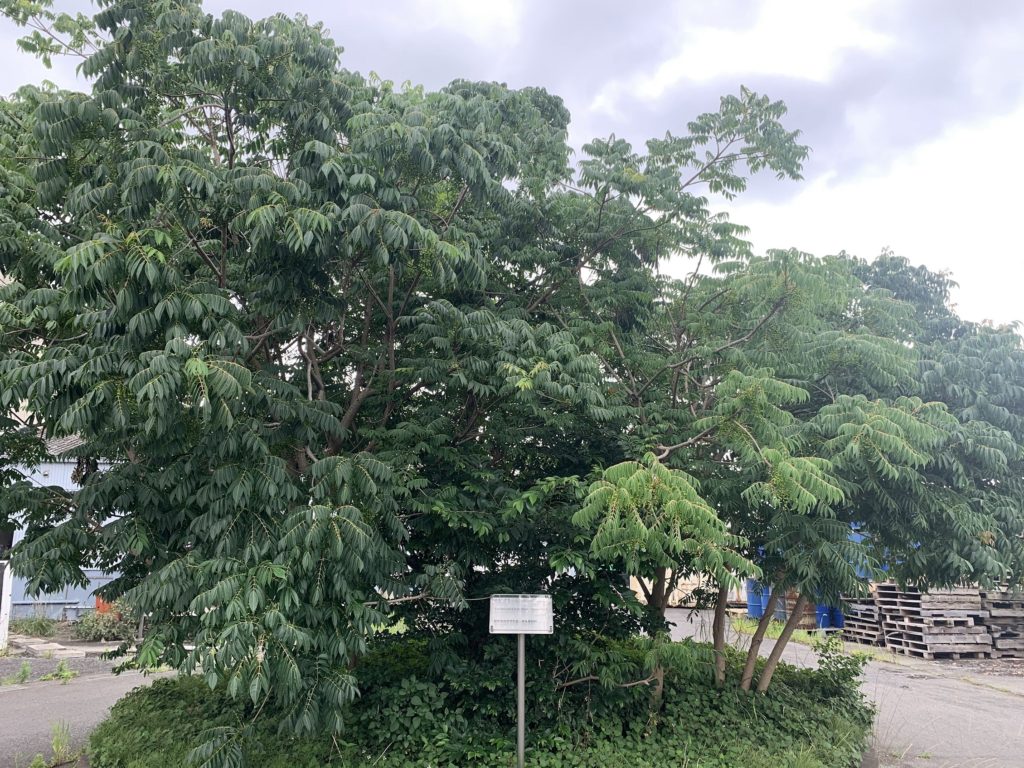
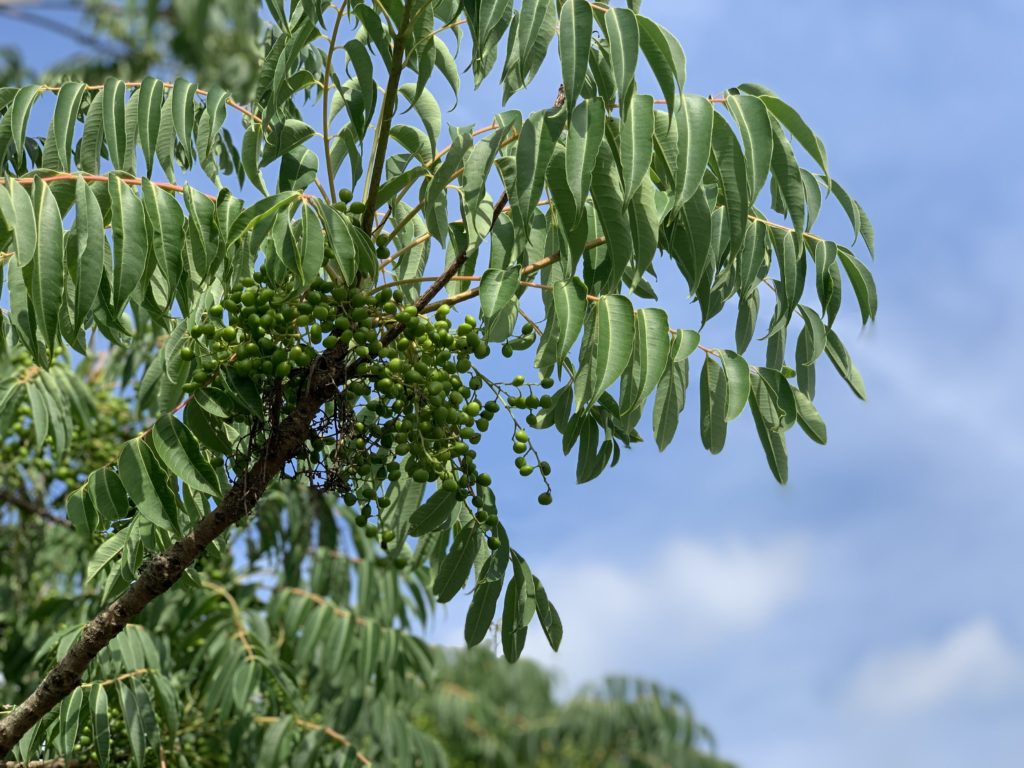
Japan wax extracted from the nuts of the wax tree found in western Japan , and their wicks are made from the rush grass used in tatami mats. Japanese candles have a hollow, cylindrical wick, allowing them to absorb wax quickly and reducing dripping. Historic temples have favored Japanese candles for hundreds of years, thanks to the clean, easily removable soot they produce, eliminating the risk of staining high-quality Buddhist altar fittings. Their large, beautiful flames also ensure they remain popular. They
also use expensive natural materials, and to maintain their high quality, artisans pour their souls into crafting each candle by hand. As a result, the number produced is limited, making them more expensive than Western candles. But try lighting a Japanese candle. You'll find yourself suddenly transported to the main character in a period drama. Like the "One Million Candle Night" held nationwide every year, why not turn off all the lights in your home for an hour and spend some quality time chatting in the dark with your family?
What are Western candles?
They are made from paraffin, a raw material extracted from petroleum, and have a thread wick. For example, those colorful candles that come with birthday cakes are Western candles. You've probably had the experience of a little candle dripping onto the delicious cake. When Western candles burn, they produce stickier soot than Japanese candles, which can stick to Buddhist altar fittings and damage their surfaces. However, Western candles can be mass-produced by machine, so the raw materials are inexpensive and they are commonly used
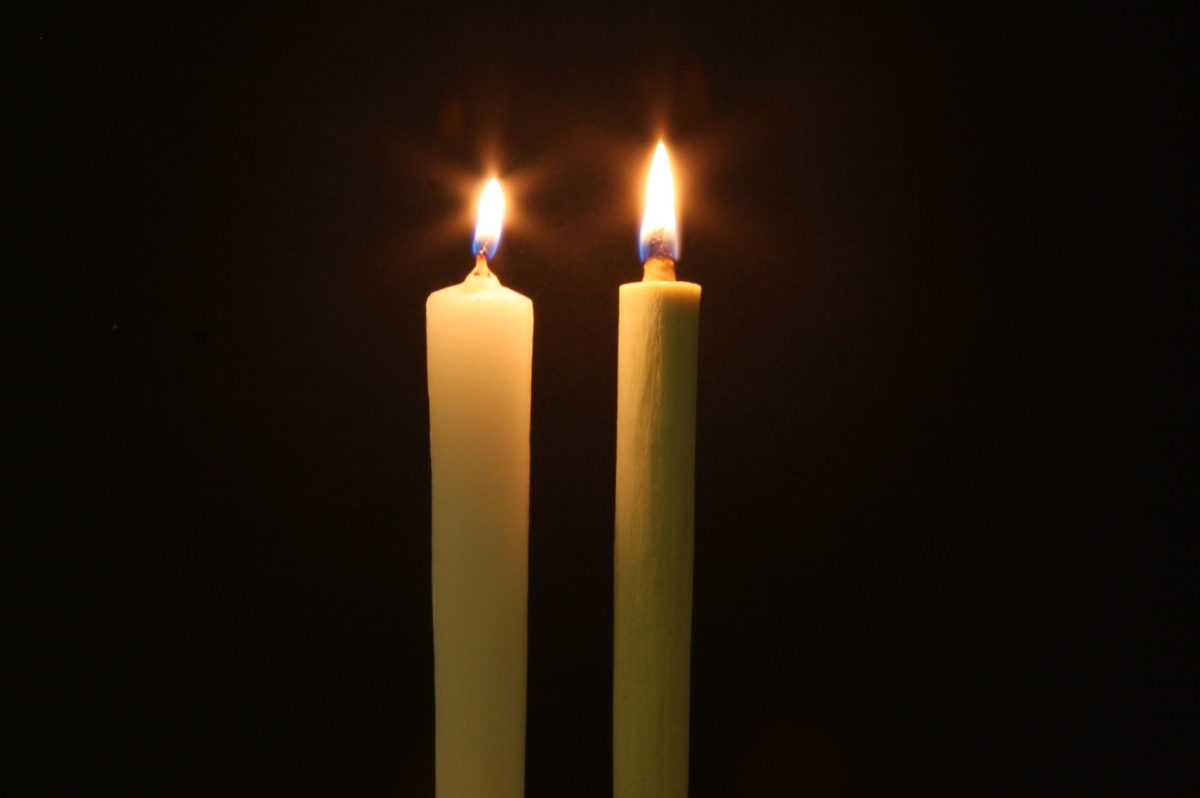
The difference between Japanese and Western candles in how they burn
If you compare the way Japanese candles burn with Western candles, you'll notice that the flame of a Japanese candle is large and flickers wildly, as if they are connected by soul, while a Western candle's flame is small and burns quietly.
Now, in this first COVID-19 crisis,
why not find new joy in your heart with a Japanese candle, especially in these times of loneliness?