


Categories
blog

Is it true that "natural wax" is used in many places?

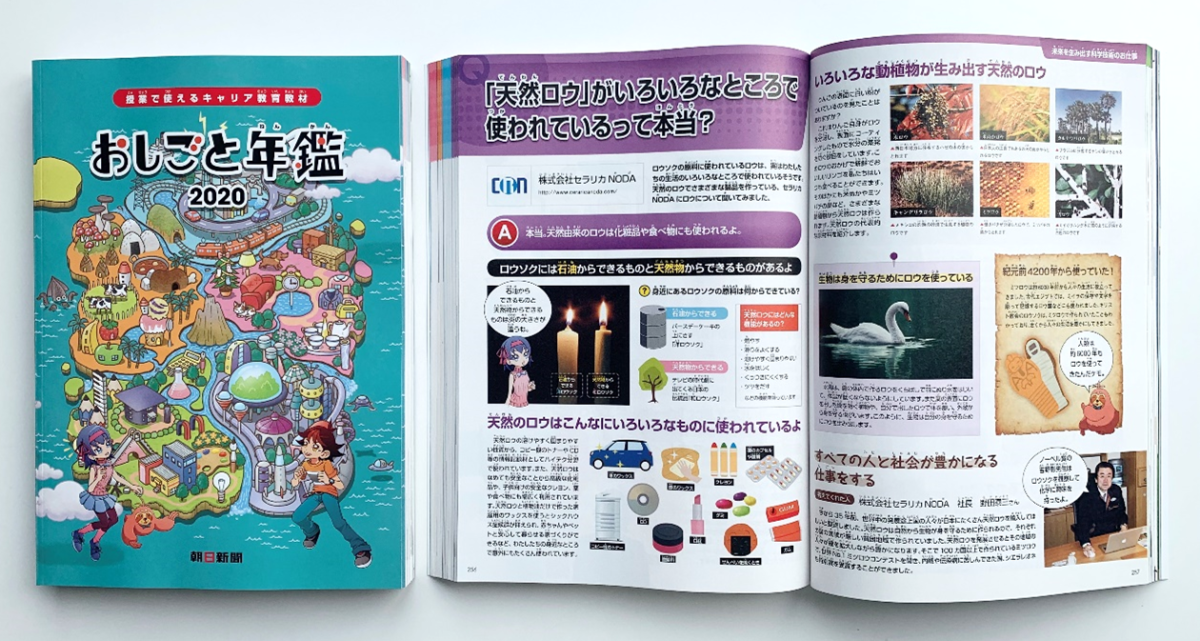
The "Job Yearbook" is a very unique educational material edited by the Asahi Shimbun Company, which clearly introduces the unique jobs of various leading companies and organizations in Japan. In July of this year, it was distributed to all elementary and junior high schools nationwide, as well as some high schools.
Our company introduces the "unexpected uses and functions of natural wax," which are not well known to children, in the "Job Yearbook." ("Job Yearbook 2020," pp. 256-257, p. 333)
For example, what comes to mind when you hear the word wax? I'm sure many people think of the candles on a cake. Of that wax, the kind mainly produced by plants and insects is called "natural wax."
"Natural wax" is used in a variety of ways, often unnoticed, around us. Besides being used in hair pomade for topknots and the traditional Japanese candles seen in historical dramas on television, it's also used as a raw material in cosmetics such as hair wax and lipstick, capsules and tablets for health foods, gummies, gum, dumplings and rice crackers, and even in information recording materials such as CDs and copier toner.
With the development of convenience stores and online shopping, our interest in products has waned beyond their convenience, and we often fail to notice their true quality and value, such as what they are made from or how to handle them properly.
To use bamboo shoots as an example, nowadays supermarkets and convenience stores are filled with ready-to-eat packaged bamboo shoots, and I think many people buy them for convenience. However, not so long ago, people would buy bamboo shoots with the soil still attached and prepare them themselves. Only then could they truly appreciate the difference in taste and texture between real bamboo shoots and the processed ones sold in convenience stores, and realize the amount of effort that went into preparing them for consumption. In
this age of abundance of convenient things, I sincerely hope that this "Job Yearbook" will serve as an opportunity to learn about the essence of things around us, to take more interest in the things we eat and use without thinking, and to cherish each and every flower and weed blooming by the roadside that we previously overlooked. I hope that this sensitivity to nature and the natural world that people originally possessed will grow strong in children.
And with heartfelt hope that this era of natural product manufacturing, which is kind to people and the planet, will spread step by step to future generations of children around the world.
Categories
blog

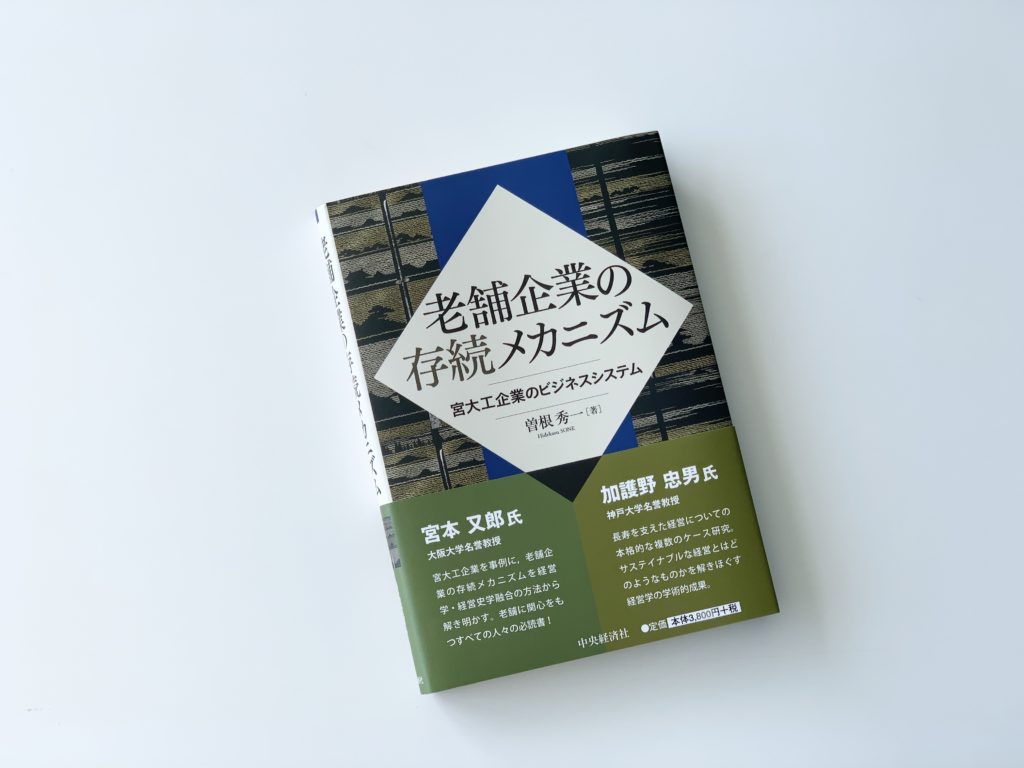
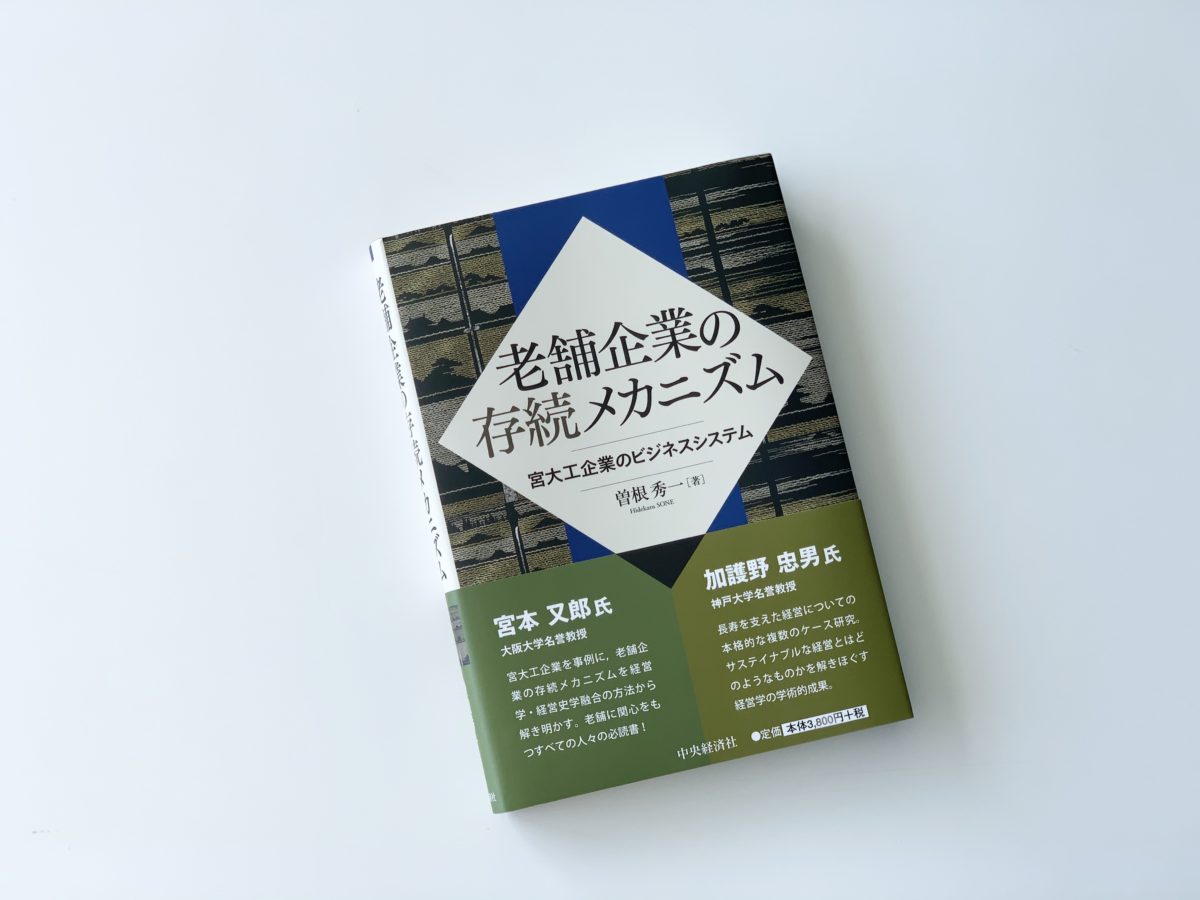
Four consecutive awards for "Survival Mechanisms of Long-Established Companies"

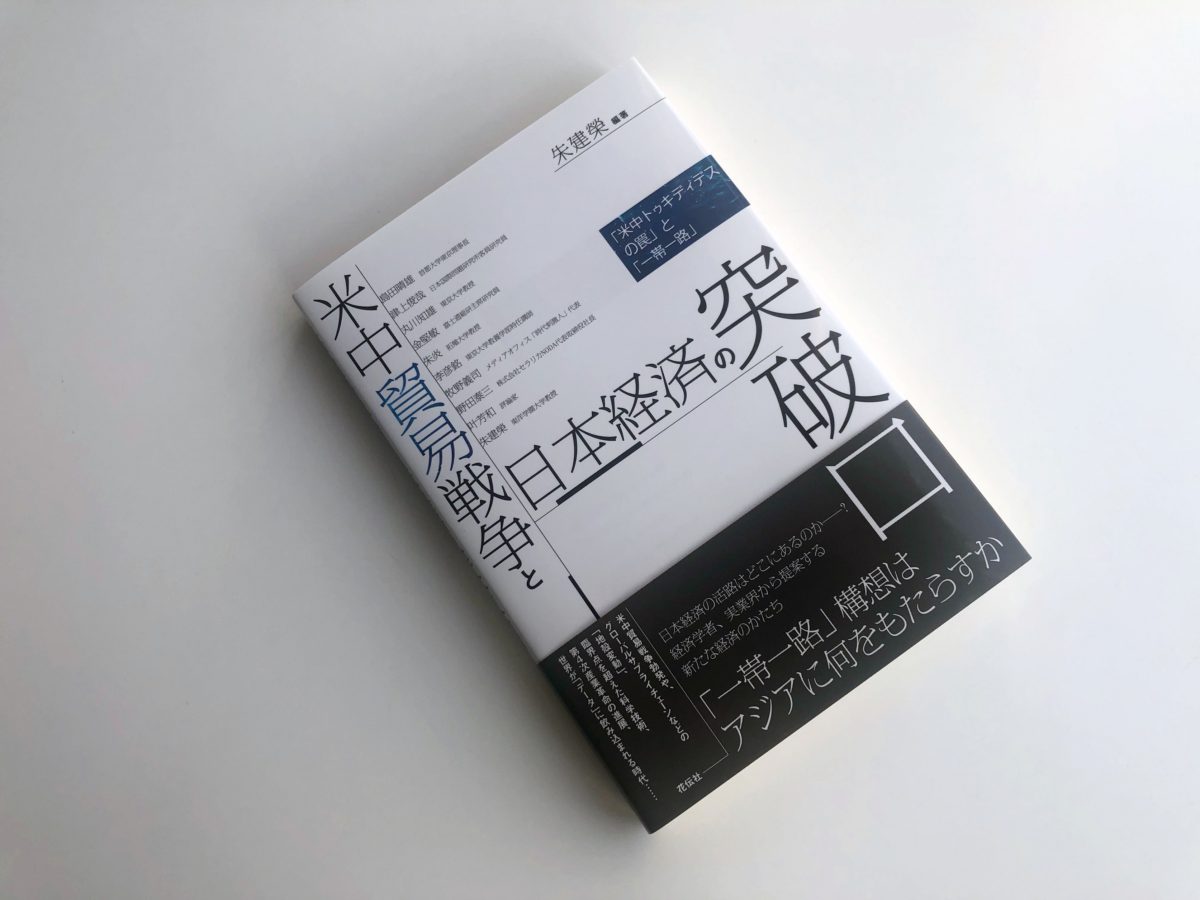
Last year, our company president wrote a book called "The US-China Trade War and a Breakthrough for the Japanese Economy." In Chapter 8, "The Experiences of Long-Lived Companies that Survived Historical Upheavals," on page 153, he recommended "The Survival Mechanisms of Long-Established Companies" by Sone Shuichi (Chuokeizaisha, March 28, 2019) as a must-read for anyone interested in the true nature of long-lived companies. This book, which he recommended as a must-read for anyone interested in the true nature of long-lived companies, enjoyed the remarkable feat of winning four major awards last year. We hope that the series of lectures at the Nikkan Kogyo Shimbun "100-Year Management Association" will also shed light on the true nature of Japanese-style management for the future, based on the perspectives of long-lived companies

The details are as follows: the four awards received are:
the "Japan Regional Studies Association Publication Award" (Japan Regional Studies Association),
the "Japan Venture Society Tadao Kiyonari Award, Book Category" (Japan Venture Society
), the "Family Business Society
Award" (Family Business Society), and the "SME Research Encouragement Award, Management Category, Main Prize" (Japan Institute for Commercial and Industrial Research)
.

On the "Survival Mechanism of Long-Established Companies"

Focusing on extremely long-lived companies, including Kongo Gumi, the world's oldest company, the book denies common myths and reveals from a completely new perspective the mechanisms behind the survival and decline of long-established companies, explaining through in-depth interviews why they have been able to adapt to changing times and survive while preserving traditional skills

A message from our president

What I learned from reading this book is that "the 'good fortune' that is shown to the current management and future successors as a result of the 'good deeds' performed by generations of management seems to be the hidden key to a long-lived company, even from my own experience." I wish Professor Sone all the best in his future international endeavors

Categories
blog

"The US-China Trade War and a Breakthrough for the Japanese Economy"

- "The US-China Thucydides Trap" and "The Belt and Road Initiative" - ​​Kadensha, published August 10, 2019

"The US-China Trade War and a Breakthrough for the Japanese Economy"

"The US-China Trade War and a Breakthrough for the Japanese Economy"

This book, which consists of 10 chapters and was edited by Professor Zhu Jianrong of Toyo Gakuen University, features contributions from 10 of China's most prominent political and economic figures. It sounds a warning about Japan's current state of confusion amid a trade war between the US and China, as the country falls far behind China. It also explores the future avenues for the Japanese economy in an era when the world is consumed by AI and data

Chapter 8 written by our company president

The book tells the story of the unique development of Japan based on the experience of our company, which has a history of 187 years, and includes the hidden secrets of the world's longest-running company in Japan, development based on the idea of ​​"making use of" the unexpected advantages of natural products, a shift in thinking from pests to beneficial insects, the opening of the "Goby Fruit School" which has begun to successfully encourage young people to return to the forest, contributions to SDG-based poverty relief in developing producing countries, and the straw revolution at " CERARICA University" created for CERARICA field employees

A message from our president

I once thought about why I write. At that time, I came across a book called "Thoughts on Hell," in which philosopher Takeshi Umehara advised me to write like Kenji, for the sake of "altruism." Setting aside the question of whether my writing is good or bad, I began to aim to write in a way that reaches out to the sorrow of others and lifts their spirits. I have written this piece as a message to young people today about the irreplaceable people I have met who live earnestly and cheerfully amid the terrible storm known as the "US-China trade war."