



Snow wax
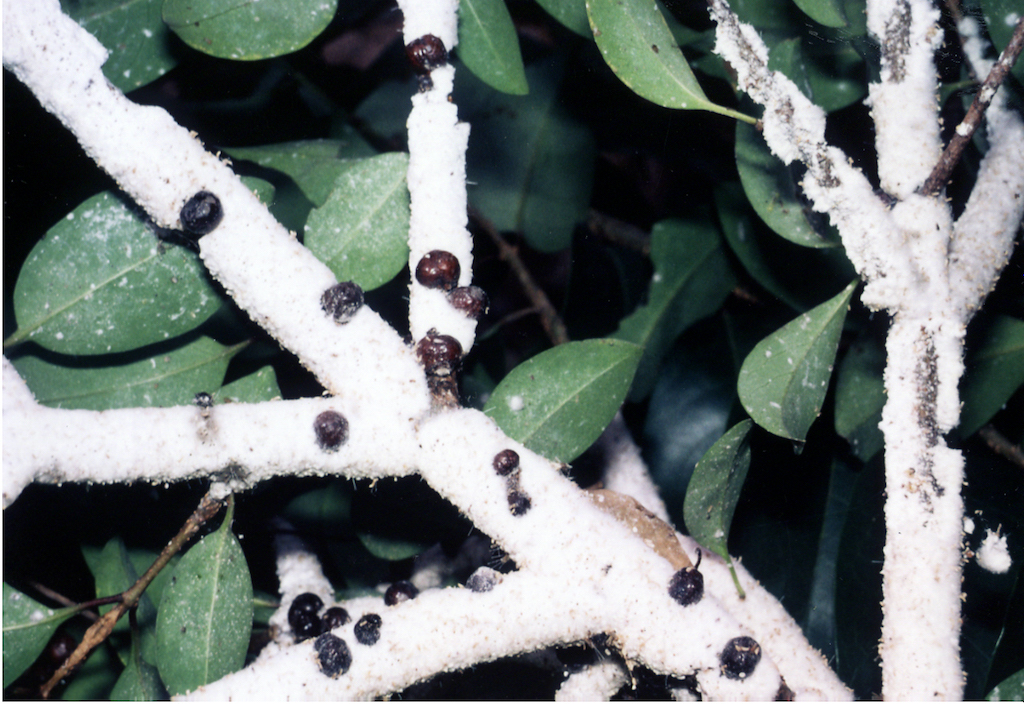
The black, round things in the photo are Japanese holly scale insects, and the white substance on the tree branches is wax. We call this pure white wax "yuki-ro" or "snow white wax." As you can see, trees covered in this wax look just like they're covered in snow
From "killing" pests to "saving them alive"
our "CERARICAInitiative," research began in the 1990s, andCERARICANODA and the Chinese Academy of Forest Sciences developed into a JICA* project. We have been developing a project to develop the industrial use of snow wax, transforming insects such as scale insects, which were traditionally considered "pests," into "beneficial insects," thereby enriching poor farmers in the mountainous regions of Sichuan and Yunnan provinces in China, and simultaneously increasing greenery.
*JICA (Japan International Cooperation Agency) is an independent administrative agency that is one of the implementing agencies of official development assistance, and its purpose is to contribute to the economic and social development of developing regions and to promote international cooperation.
*JICA (Japan International Cooperation Agency) is an independent administrative agency that is one of the implementing agencies of official development assistance, and its purpose is to contribute to the economic and social development of developing regions and to promote international cooperation.
A variety of names based on their uses
The historical name for this wax is ibotaro. Ibota is written as "疣取" (ibotori), meaning "wart remover." This name originates from its use as a medicine for removing warts. One treatment involved wrapping the base of the wart with silk thread and applying melted wax.
The insect that produces this wax is called ibotaro scale insect. In Japan, the ibotanoki tree is a representative tree that is particularly favored by this ibotaro scale insect and is covered in a blanket of snow. Ibota can also be written as "水蝋" (suirou). Earlier, I mentioned its use as a wart remover, but as a herbal medicine, it is called chūhakurou or 虫白蝋. It is pronounced "chūhakurou." When used in cosmetics, the katakana spelling chūhakurou is used as the display name. Another point is that in English, "Japan wax" refers to wood wax (Japanese wax), but "Chinese wax" refers to this snow wax. In China, it has an even longer history of medicinal use than in Japan.
The insect that produces this wax is called ibotaro scale insect. In Japan, the ibotanoki tree is a representative tree that is particularly favored by this ibotaro scale insect and is covered in a blanket of snow. Ibota can also be written as "水蝋" (suirou). Earlier, I mentioned its use as a wart remover, but as a herbal medicine, it is called chūhakurou or 虫白蝋. It is pronounced "chūhakurou." When used in cosmetics, the katakana spelling chūhakurou is used as the display name. Another point is that in English, "Japan wax" refers to wood wax (Japanese wax), but "Chinese wax" refers to this snow wax. In China, it has an even longer history of medicinal use than in Japan.
Characteristics of Yukiro
Our Yukiro wax has a high melting point, is glossy, pure white, and has needle-shaped crystals. It is primarily used as a moisture-proofing agent, lubricant, and polishing agent. Surfaces polished with Yukiro do not bleed, do not repel ink, and can be written on with ink, making it highly valued for crafts such as paulownia wood boxes. It is also known as a wax suitable for maintaining go stones. Black stones can be polished with camellia oil, and white stones can be polished with Yukiro wax to restore their shine
Insects that produce snow wax
The Japanese privet scale is a single species of insect belonging to the Coccidae family. It parasitizes plants of the Oleaceae family such as Chinese Ash and Ligustrum globosum (privet). In terms of wax production, only 1-2g of wax can be obtained for every 1,500 insects, making snow wax a high-quality wax today
Yukiro product series list
| product series | Product name | shape |
|---|---|---|
| Futuristic products (functionality/culture) | Deodorized and refined snow wax No.1 | - |
| F Series (Pesticide-free/Safe and Secure) | - | - |
| NC Series (High-Precision Products) | - | - |
| Standard refined products | - | - |
| Cost-oriented products | - | - |
Yukiro product performance comparison table
| futuristic products | |
|---|---|
| product name | Deodorized and refined snow wax No. 1 |
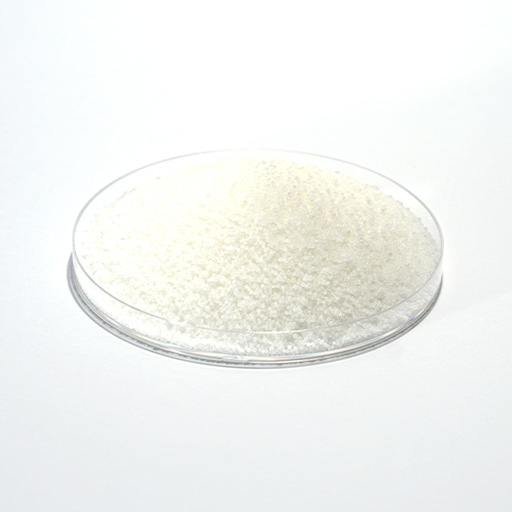
| shape | grain |
 | |
| Transparency after dissolution | 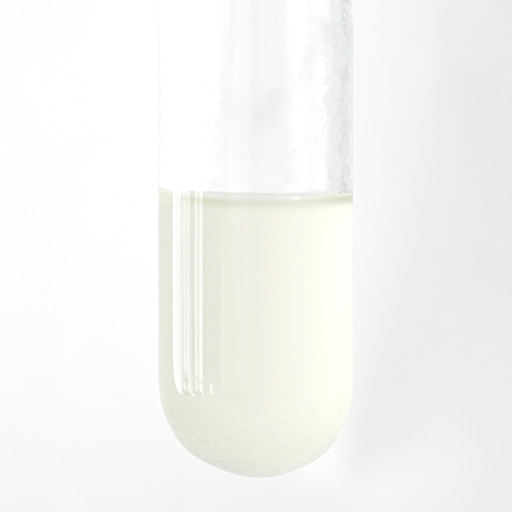 |
| explanation | A refined snow wax product created through a JICA project |
| composition | 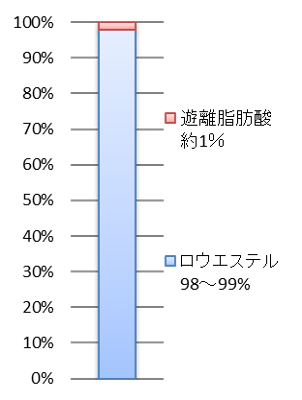 |
| acid value | < 5 |
| saponification value | 70~100 |
| Iodine value | < 10 |
| Melting point (℃) | 78〜85 |
| peroxide value | - |
| Heavy metals (ppm) | < 20 |
| Arsenic (ppm) | < 2 |
| specific gravity | 0.97(25℃) |
| Penetration (100g/5s) | 2.6(25℃) |
| Viscosity (cP) | 12.1(100℃) |
| Flash point (℃) | 296 |
| Compatible standards | - |