


Japan wax
Field of use
Traditional Japanese Culture
It has long been used in Japanese candles, as hair oil for sumo wrestlers, and to polish silk fabrics for clothing
Cosmetics field
Currently, demand is increasing as it is widely used as a cosmetic ingredient in lipstick, eyebrow pencil, cream, pomade, tack, etc. We are also developing new products such as texture improvers that use Japan wax powder
others
It is also used in medicines (ointments, plasters), stationery (colored pencils, crayons, pastels, etc.), CERARICA coating, food release agents, soap, etc. It is also expected to be used in the medical field in the future
Characteristics of Japan wax
Our Japan wax has three main characteristics
viscosity
It has the property of giving viscosity to cosmetics and maintaining a moderate hardness
transparency
In pomade, castor oil is solidified with Japan wax to form a gel, which also has the property of maintaining the gel's transparency
Glossiness
Japan wax has dense crystals that give products a glossy finish
Our Japan wax refining technology
Our unique refining method (patented), developed in collaboration with the RIKEN Institute, has succeeded in completely removing the inherent odor and peroxides Japan wax without compromising its original properties. Japan wax refined by our company has an excellent feel on human skin and is used in a variety of cosmetics products. Furthermore, by using our Japan wax as a raw material, the pure fragrance of the fragrance itself can be achieved, improving product value and reducing costs
Japan wax production area and growing environment
Japan wax is a natural plant-based wax unique to Japan, extracted from the nuts of the wax tree, which grows wild mainly in Kyushu, Shikoku, and the Chugoku region. In recent years, the number of wax trees left unharvested has increased, resulting in a serious shortage of harvesters. For the past four years, our company has been holding "Wax Fruit Schools," a workshop on how to harvest wax nuts, across Kyushu, teaching safe and efficient harvesting methods and training new harvesters. We are also working with Minamata City, which aims to become a future city in line with the SDGs, to promote future-building activities, from planting and harvesting wax trees to creating new products
Origin of raw materials (about goby)
Japan wax is a plant-based wax unique to Japan, obtained from the nuts of the haze tree, which grows wild mainly in Kyushu, Shikoku, and Chugoku regions, as well as in Wakayama Prefecture. Haze is a deciduous tree in the Anacardiaceae family, known for its beautiful autumn foliage. Small yellow and white flowers bloom around May to June (haze flowers are used to make high-quality honey). Small green fruits then appear. The fruits gradually mature and turn yellow, and are harvested from early November to around February of the following year. The wax is contained within the fibers of the flesh, which is surrounded by a thin outer skin
Japan wax supports Japanese traditions
The branches of the hazel tree are dyed using an advanced plant dyeing technique. This dyeing method is used to dye the "Kurozen no Gohou" (yellow lacquer dyed robe) worn by the Emperor when he ascends to the throne. The hair covering of the Empress is also hardened with Japan wax extracted from the fruit. Furthermore, the large ginkgo nuts worn by sumo wrestlers, the national sport of Japan, are also made with hair oil made from Japan wax . Furthermore, the core material of the Japanese bows used in Shinto rituals is also made from the trunks of the hazel tree. Hazel Japan wax is truly a "Japan wax" that represents Japan
The history of Japan wax and the beginning of our company
The wax tree originally grew wild in Japan and other warm regions of Asia, but it is believed to have been cultivated approximately 700 years ago. The Taiho Code, enacted in the early 8th century, included provisions encouraging the cultivation of urushi trees, and it is believed that wax was extracted from urushi berries. Full-scale cultivation and production of Japan wax began during the Edo period, when demand for candles, bottles, and plasters increased. At the time, various feudal domains competed to improve varieties of wax trees. Furthermore, during the Tenpo famine, many feudal domains encouraged the production of Japan wax , which provided a source of cash income from outside the domain and helped restore their finances and provide relief for the poor. One such domain, Arima Domain in Kyushu (present-day Kurume City and Yame City), was commanded by its domain to establish Noda Wax Manufacturing, marking the beginning of our company, CERARICA NODA. Japan wax production then reached its peak during the Meiji period, but immediately after the end of the war, a shortage of foreign currency meant that oils and fats could no longer be imported, and domestically produced Japan wax became highly sought after as a valuable commodity
Wood wax product series list
| product series | Product name | shape |
|---|---|---|
| Futuristic products (functionality/culture) | Royal Wax G | pellet |
| Royal Wax W | pellet | |
| Japanese candles (hand-made and molded) | Crafts | |
| Highly deodorizing Japan wax powder | true sphere powder | |
| F series (Pesticide free/Safe and secure) | NC-1250F | pellet |
| NC series (high precision products) | - | - |
| Standard refined products | Japan wax -100 | pellet |
| Japan wax -100S | pellet | |
| Deodorized refined white wax | pellet | |
| SJ-CY (synthetic wood wax) | pellet | |
| Cost-oriented products | Industrial Japan wax (small plate) | pellet |
| Industrial Japan wax (large plate) | pellet | |
| Raw wax (undercoating) | pellet | |
| Special White Wax | pellet | |
| Treasure white wax | pellet |
Wood wax product performance comparison table
| futuristic products | Standard | ||
|---|---|---|---|
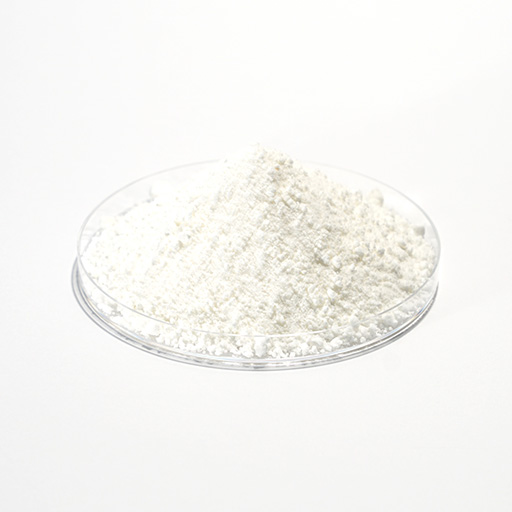
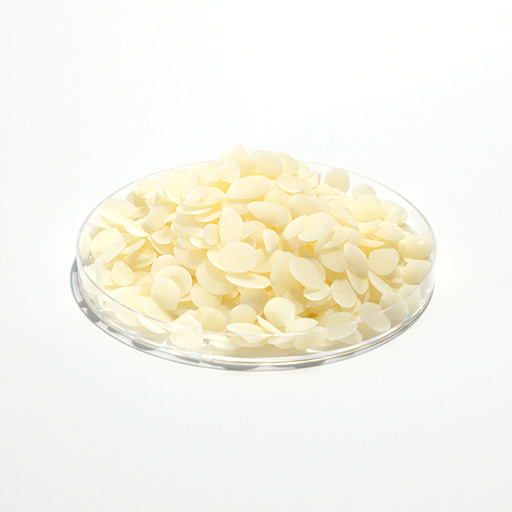
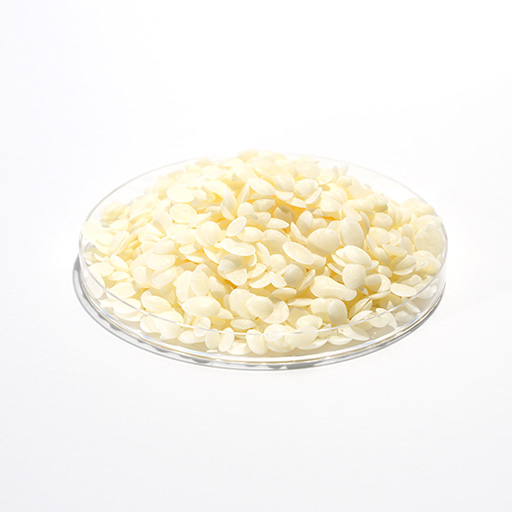
| product name | Highly deodorizing Japan wax spherical powder | Japan wax -100 | Deodorized refined white wax |
| shape | powder | pellet | pellet |
 |  |  | |
| Transparency after dissolution | 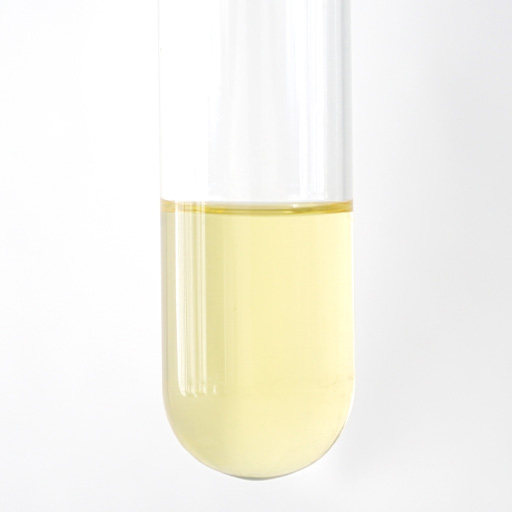 | 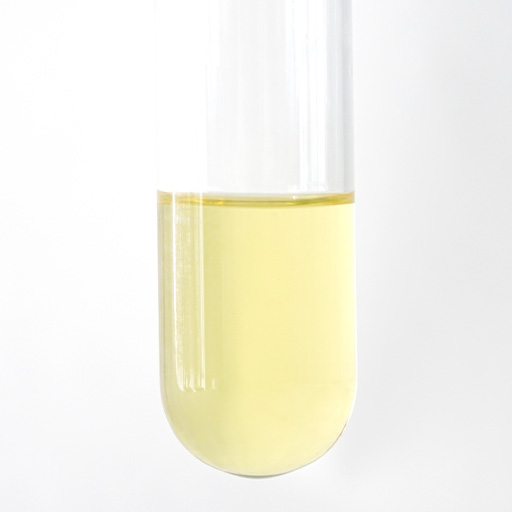 | |
| explanation | In response to requests to switch from fossil materials to natural products, we have developed CERARICA Natural Powder series, which offers a variety of textures and particle sizes | A refined product made from 100% bleached and deodorized Japan wax | Sun-bleached and deodorized 100% Japan wax refined product |
| composition | 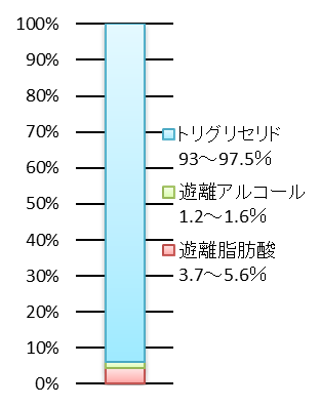 | 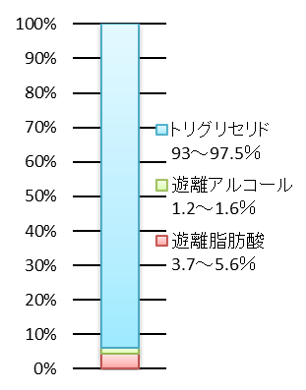 | 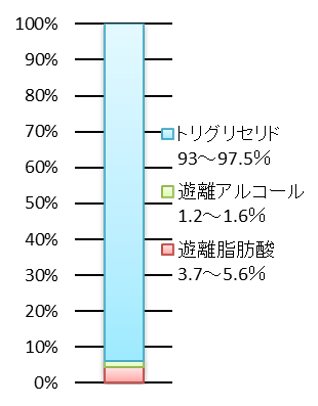 |
| acid value | 15~30 | < 30 | 15~30 |
| saponification value | 205~225 | 205~225 | 205~225 |
| Iodine value | 5~18 | 5~18 | 5〜18 |
| Melting point (℃) | 50~53.5 | 50~53.5 | 50~53.5 |
| peroxide value | < 20 | - | < 20 |
| Heavy metals (ppm) | < 20 | < 20 | < 20 |
| Arsenic (ppm) | < 2 | < 2 | < 2 |
| specific gravity | 0.98(25℃) | 0.978(25℃) | 0.98(25℃) |
| Penetration (100g/5s) | - | 30(25℃) | - |
| Viscosity (cP) | - | 13.8 (100℃) | - |
| Flash point (℃) | 242 | 242 | 242 |