




Realize the essence of things around you
Have you ever become interested in "weeds"?
Weeds refer to plants that reproduce naturally, and while some are not useless and have medicinal effects, there are also a variety of plants that are poisonous.
Did you know that Emperor Showa once said, ``There is no such thing as a weed?''
I learned this from the president of CERARICA University.
As the name suggests, Hiroshiba, the garden of the Emperor's throne, is a large garden, and grass seeds fly from all over the place, making it overgrown with a variety of weeds in the summer. One summer, shortly after the war, when the Emperor and Empress returned from their summer vacation, Lord ChamberlainMr. Irie apologized and said, ``I'm truly sorry, but the weeds are overgrown and this is all that remains.I will clean it up someday.'' In response, Emperor Showa said, ``There is no such thing as a weed in the first place.Every plant has its own name and lives wherever it pleases. You mustn't clean it,'' he said, conveying a deep meaning.
Even the plants we call "weeds" have their own names, and even the "language of flowers". The hated "weeds", which have vitality and keep growing no matter how much you pull them out, not only make us feel the four seasons, but also each one has a name, is created in this world, and absorbs carbon dioxide. They emit oxygen, purify water, and support the beauty of the entire planet.
Why don't you pay attention to the tiny lives with the Japanese's innate ``heart of awareness''?
<References> ●Aimasa Irie, “The Tale of the Imperial Chamberlain”/Published in 1980
Learn more about grass
Here, we will introduce each type of grass that you often see on the roads.
Halzion
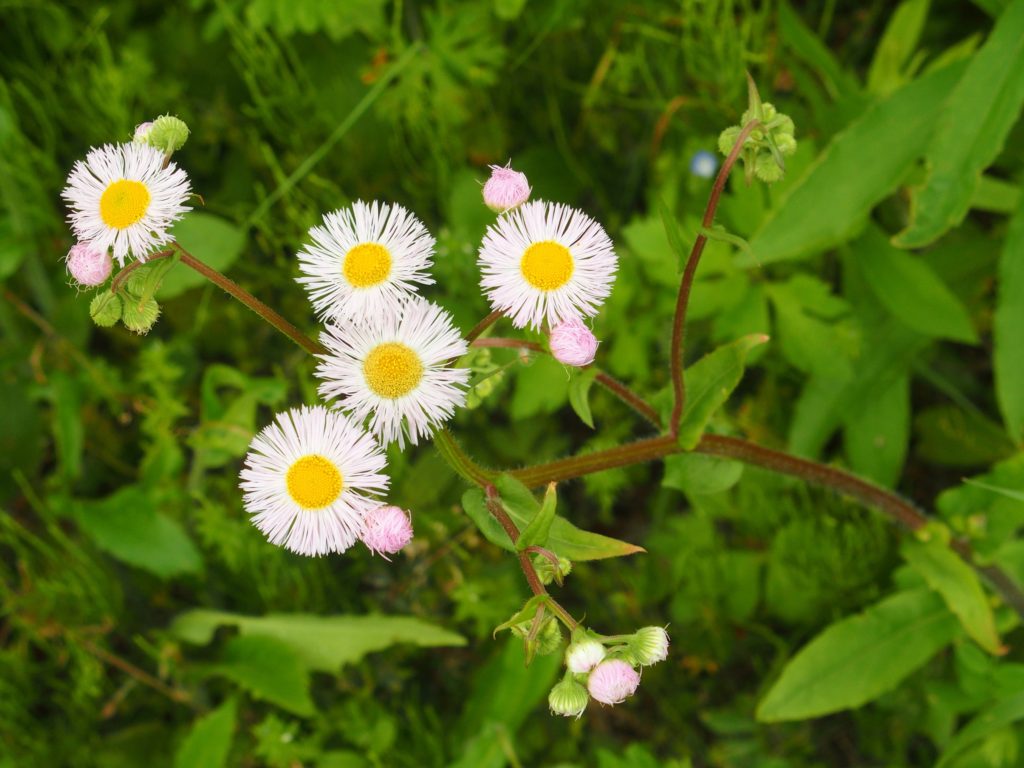
This perennial herb belongs to the genus Erigeron in the Asteraceae family.
It's also called "poverty grass" due to a legend that picking or breaking its flowers will bring poverty. It
thrives in nitrogen-rich areas such as pastures and fields, and can be enjoyed in dishes like tempura or blanched greens. Flower meaning: "Reminiscing love"
Houttuynia cordata
(also known as Dokudame, Juuyaku, Gyoseisou, Jigokusoba, Umazeri)
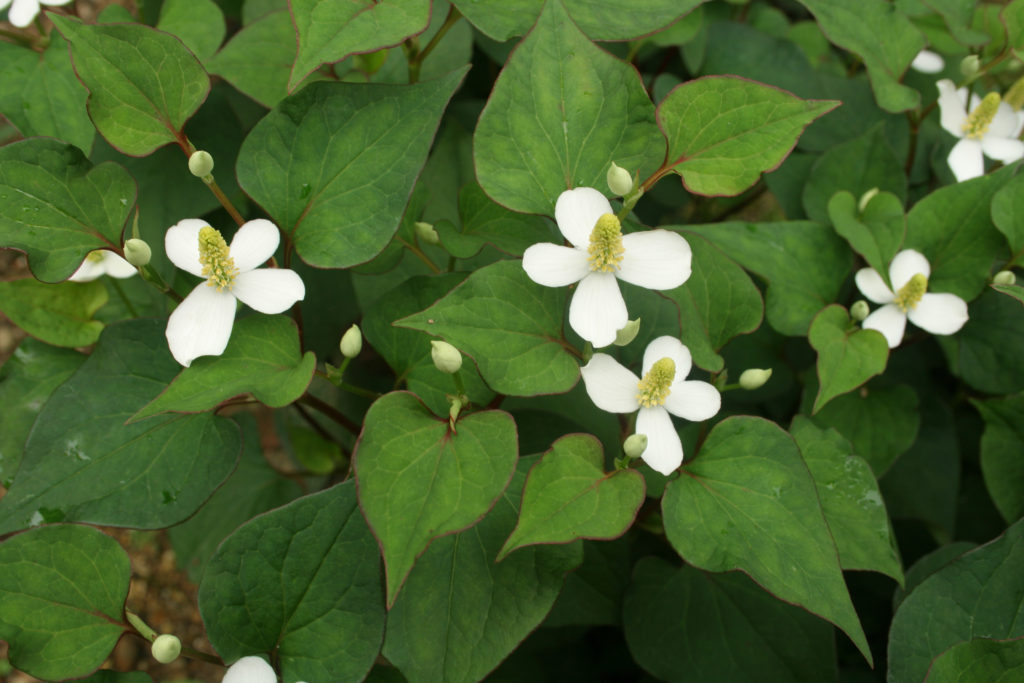
A perennial herb belonging to the Houttuynia genus of the Saururaceae family.
It grows in clusters in damp, shady places, has a distinctive fragrance, and has been widely used as a folk medicine since ancient times.
Flower meaning: "Wildness," "White memories."
Efficacy: Detoxification, fever reduction, prevention of arteriosclerosis, diuretic effect.
dandelion
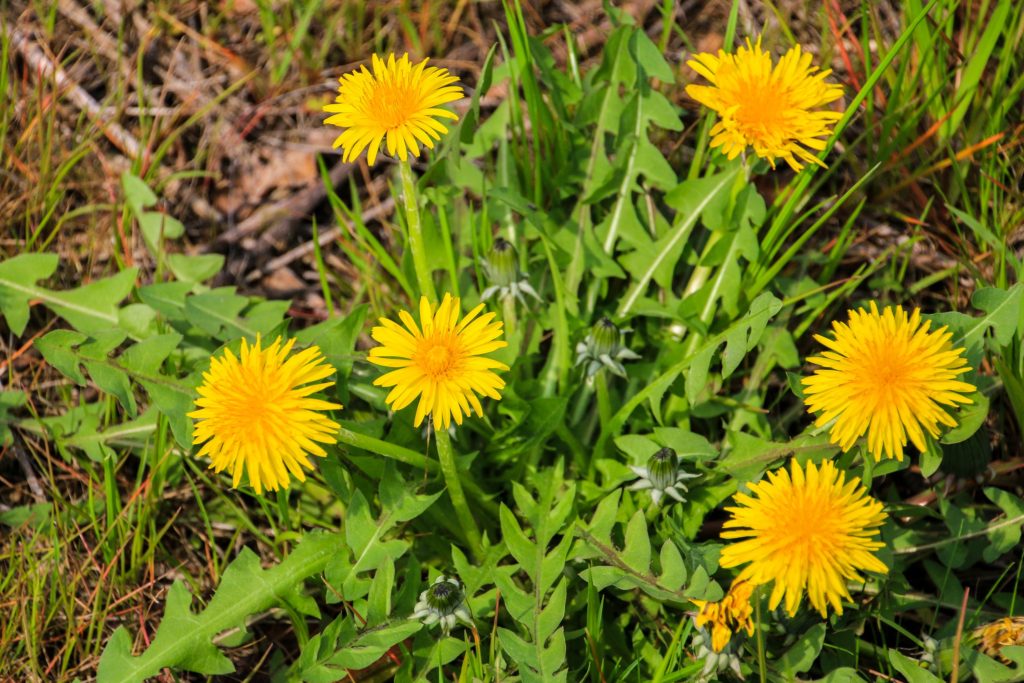
This is a general term for plants belonging to the genus Taraxacum in the Asteraceae family.
The dandelions commonly seen in Japan include the native Japanese dandelion (Taraxacum platycarpum), which has grown wild since ancient times, and the Western dandelion (Taraxacum platycarpum), which was introduced from abroad after the Meiji era. The Japanese dandelion blooms only in spring, while the Western dandelion can be seen year-round, especially in urban areas.
Flower meanings: "Oracle of love," "Sincere love," "Separation."